“It takes many good deeds to build a good reputation, and only one bad one to lose it.” — Benjamin Franklin
Imagine you’re considering a new restaurant in town. You check online reviews and notice a sudden surge of negative comments, all posted within a short timeframe. Would you still want to dine there? This scenario illustrates the damaging effects of review bombing, a tactic that can severely tarnish a business’s online reputation.
In this comprehensive guide, we will explore what Review Bombing is, how fake and mass negative reviews can devastate your brand, and the damage control strategies you can implement to protect your business. Whether you run a restaurant, hotel, retail store, or any service-oriented business, understanding and mitigating the risks associated with review bombing is essential for long-term success.
What is Review Bombing?
Review bombing is when a large number of people leave negative reviews for a product, movie, game, or service all at once. This usually happens to protest something or because people are unhappy with a decision related to the product. Often, these reviews aren’t based on the actual quality but on other issues, like personal opinions or disagreements.
It can also be organized by groups who want to influence others or hurt a company’s reputation. Review bombing can make it hard for others to see genuine feedback. While some review bombing campaigns stem from genuine grievances, many are organized by groups with hidden agenda.
The Impact on Review Bombing on Businesses
The consequences of review bombing can be devastating. In an environment where online reviews play a significant role in consumer decision-making, a sudden influx of negative ratings can lead to dramatic drops in customer trust and revenue.
1. Revenue Loss:
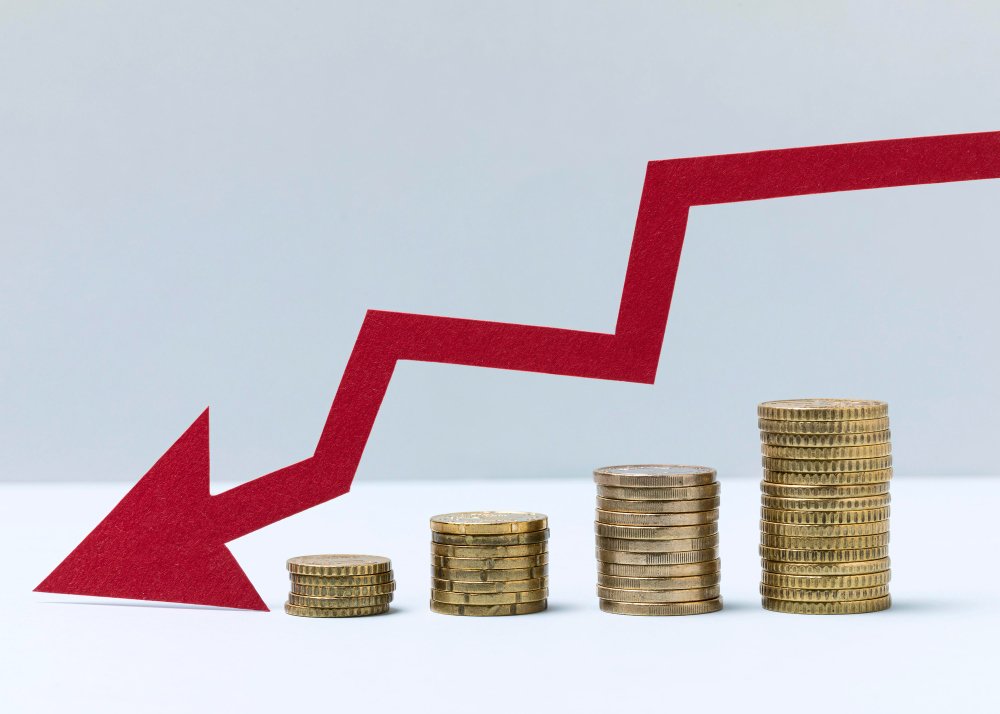
A sudden spike in negative reviews can deter customers, leading to significant revenue declines. When potential customers see a barrage of one-star ratings, they are likely to question the credibility of your business, regardless of whether the negative feedback is genuine or orchestrated.
2. Trust Ruined:
In an era where consumers heavily rely on online reviews, trust is everything. A flood of negative reviews, even if unfounded, can create a perception that your business is subpar. This erosion of trust can have long-term consequences, as potential customers may choose competitors with better online reputations.

3. Damage to Employee Morale:
Internally, review bombing can have a profound impact on staff morale. Employees take pride in their work, and continuous negative publicity can demotivate them, potentially leading to decreased productivity and poorer customer service. If your team is constantly hit with unfair criticism, it can impact the work environment.
4. Long-Term Brand Damage:
Recovering from a review bombing incident isn’t just about addressing the immediate fallout. It involves a prolonged effort to rebuild your reputation, which can be both time-consuming and resource-intensive. Once negative perceptions take root, reversing them becomes a difficult battle.
How can you recognize Fake Reviews?
Protecting your business starts with recognizing when reviews are not genuine. Here are some indicators of fake reviews:
- Generic Language: Genuine reviews often include specific details about a customer’s experience. Fake reviews, however, tend to be vague and lack personalized insights.
- Repetition of Themes: When multiple reviews use similar language or focus on the same complaints, it may indicate a coordinated effort rather than organic feedback.

- Reviewer Activity Patterns: Accounts that post numerous reviews across unrelated businesses within a short period are a red flag. Often, these accounts are created solely to influence ratings.
- Timing of Reviews: A sudden surge of negative reviews over a short period is often indicative of review bombing. Genuine feedback tends to be more evenly distributed over time.
Being vigilant and using Review Monitoring tools to analyze review patterns can help you identify suspicious activity before it causes lasting harm.
Strategies to Protect Your Business from Review Bombing
Now that we understand the mechanics and impact of review bombing, let’s explore some effective strategies to protect your business:
1. Monitor Reviews Regularly
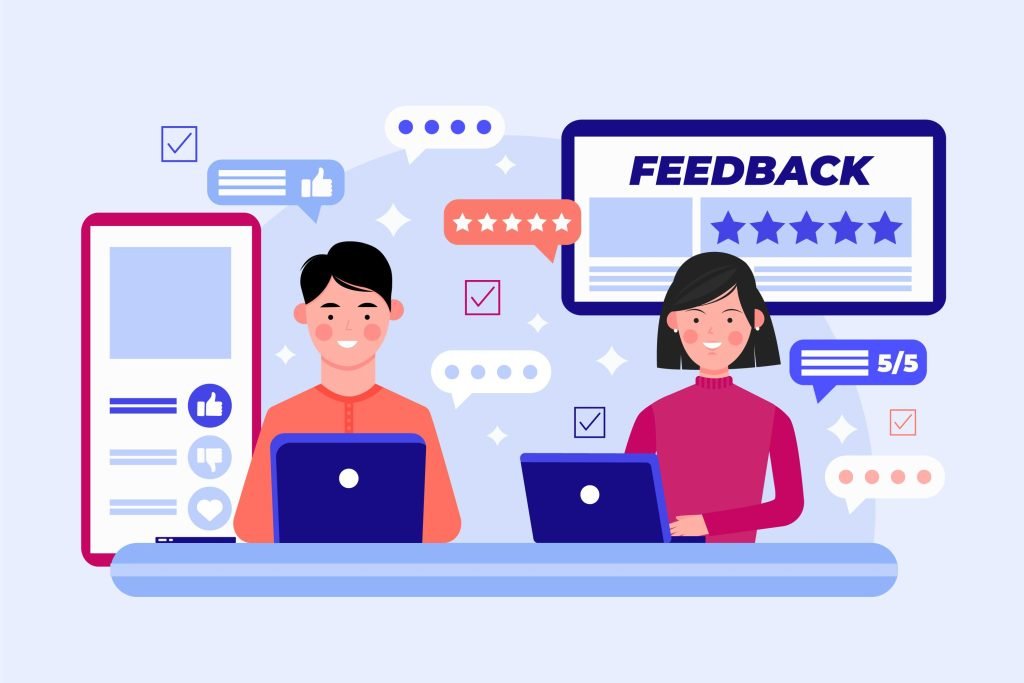
- Use Review Management Tools: Implement AI-powered tools to continuously monitor reviews across multiple platforms (Google, Yelp, TripAdvisor, etc.). These tools can alert you to sudden spikes in negative feedback.
- Establish a Review Response Team: Assign dedicated personnel to manage and respond to reviews promptly.
2. Report Fake Reviews
- Leverage Platform Policies: Most review platforms have clear guidelines against fake reviews. If you detect suspicious patterns, report them immediately with supporting evidence.
- Maintain Documentation: Keep a record of questionable reviews to establish a pattern, which can be helpful when liaising with platform moderators or legal authorities.

3. Respond Professionally and Promptly
- Develop a Response Protocol: Craft professional, empathetic responses that acknowledge the reviewer’s concerns without admitting fault when the review is fake.
- Turn Negatives into Opportunities: Even if a review is malicious, use the response as a chance to showcase your commitment to customer satisfaction.
4. Engage Legal Counsel
- Know Your Rights: Consult with legal experts who specialize in digital marketing and consumer protection laws. They can advise you on potential legal actions against organized review bombing.
- Pursue Legal Action if Necessary: In extreme cases, legal intervention may be necessary to stop persistent and damaging campaigns.

5. Strengthen Customer Relationships
- Encourage Positive Feedback: Proactively ask satisfied customers to leave reviews. A healthy mix of genuine positive reviews can dilute the effect of negative ones.
- Implement Loyalty Programs: Reward loyal customers who take the time to share their positive experiences, thereby boosting overall ratings.
6. Utilize Reputation Management Services
- Invest in Professional Tools: Platforms like Famepilot offer AI-powered reputation management that can automate the process of monitoring, analyzing, and responding to reviews. This not only saves time but also ensures that responses are consistent and professional.
The Role of Regulatory Bodies in Combating Fake Reviews
Governments and regulatory agencies worldwide are stepping in to address the issue of fake reviews and review bombing. Their efforts vary by region, and here’s an overview of the measures in key markets:
1. United States
- Federal Trade Commission (FTC)
- FTC has strengthened consumer protection efforts against fake reviews.
- In August 2024, stricter guidelines were introduced banning fake reviews and testimonials.
- Violators face civil penalties, acting as a significant deterrent.
- Emphasis on maintaining transparency in online advertising and reviews.
- State-Level Regulations
- Some states are considering additional measures to regulate online review practices.
- Aimed at protecting both businesses and consumers from fraudulent activities.
2. United Kingdom
- Advertising Standards Authority (ASA)
- ASA enforces rules ensuring advertising and online reviews are truthful and not misleading.
- Competition and Markets Authority (CMA)
- CMA investigates deceptive practices, including review bombing.
- Digital Markets Unit
- Proposed creation of a unit to regulate online platforms and ensure fair competition.
- Aimed at providing more robust protection against fake reviews and online manipulation.

3. India
- Consumer Protection Act & IT Regulations
- Focus on authentic, non-misleading online reviews through the Consumer Protection Act and IT (Intermediary Guidelines and Digital Media Ethics Code) Rules.
- Platforms are required to implement stringent review verification measures.
- Emerging Legal Precedents
- Legal action has been taken against individuals/groups involved in orchestrating fake review campaigns.
- Ensures trust in digital marketplaces and protects businesses.
4. United Arab Emirates (UAE)
- Telecommunications and Digital Government Regulatory Authority (TDRA)
- TDRA regulates online content to ensure authenticity in reviews.
- Consumer Protection Laws
- New guidelines introduced to combat fraudulent digital practices.
- Designed to protect businesses and consumers from the impacts of fake reviews and review bombing.
These regulatory efforts highlight the global recognition of fake reviews and review bombing as serious issues. While it remains a challenge for businesses to completely eliminate these practices, awareness and compliance with these guidelines can help mitigate their impact.
The Future of Review Management
As technology evolves, so do the tactics used by those engaging in review bombing. Here are a few emerging trends to watch:
- Artificial Intelligence & Machine Learning: AI-driven tools are becoming increasingly sophisticated in detecting patterns indicative of fake reviews. By analyzing language, review timing, and user behavior, these tools can identify suspicious activity and alert businesses in real time.
- Blockchain for Transparency: Some innovators are exploring blockchain technology to create tamper-proof systems for recording and verifying reviews. This could eventually lead to a more transparent and trustworthy review ecosystem.
- Consumer Empowerment: Educating consumers about how to spot fake reviews can also help combat review bombing. As awareness increases, the effectiveness of malicious campaigns may diminish, as customers learn to look beyond the numbers.
- Enhanced Platform Accountability: Major review platforms are under increasing pressure to improve their review verification processes. Expect to see more robust systems in place that not only detect fake reviews but also prevent them from being published in the first place.
About Famepilot
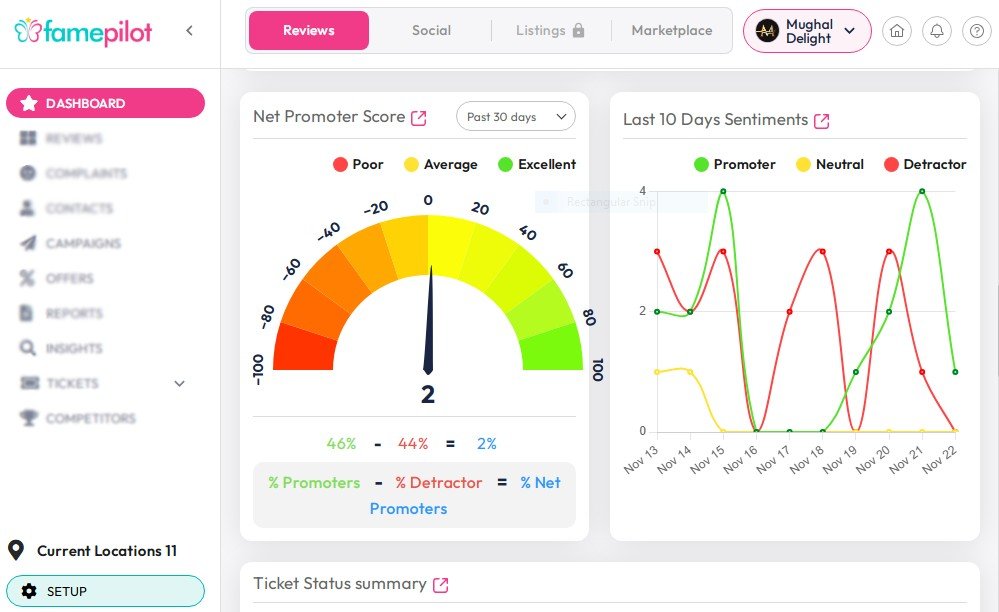
Famepilot is an AI-powered reputation management platform that helps businesses monitor, analyze, and respond to online reviews efficiently. Whether you’re a hotel, restaurant, or multi-location business, Famepilot ensures your brand stays protected against threats like review bombing and fake reviews.
With real-time review tracking, AI-driven responses, and multi-platform reputation management, Famepilot empowers businesses to strengthen customer trust, improve ratings, and safeguard their online presence from unfair attacks. By automating review management, businesses can focus on delivering excellent customer experiences while maintaining a strong and credible reputation.
Conclusion
Review bombing and fake reviews are more than just nuisances—they pose a real threat to revenue, trust, and long-term brand integrity. Key strategies of Review bombing include regular review monitoring, prompt and professional responses, leveraging legal support when necessary, and strengthening customer relationships through genuine engagement.
Additionally, investing in advanced reputation management tools, such as those offered by Famepilot, can provide an automated, reliable defense against review manipulation. Remember, in the world of online reputation, vigilance is key. By taking proactive steps today, you can ensure that your business remains resilient and trusted, even in the face of coordinated review bombing attacks.
Protect your brand, maintain your reputation, and let every review work in your favor. For any suggestions, queries you can contact us via, Our email id – [email protected]
- Book a FREE Demo with Us – https://famepilot.com/product-demo/
- Our Contact Us (form) – https://famepilot.com/contact-famepilot/