When customers search for your business online, they want answers quickly. A well-designed store locator is a direct bridge between search and in-store visits. But here’s the question most businesses overlook: What makes a store locator actually useful for customers?
Let’s break down the must-have information every good store locator should include.
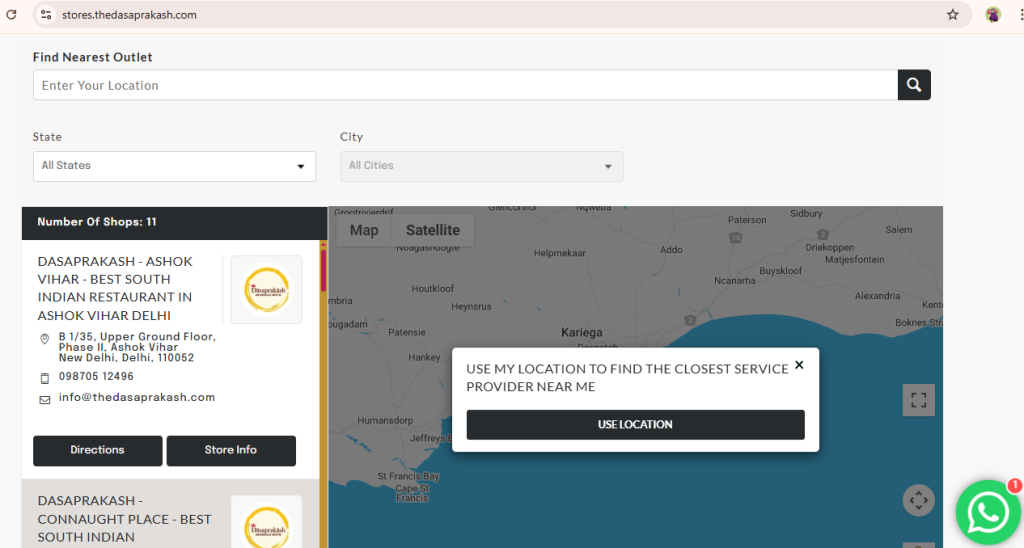
Dasaprakash Store Locator Made By Famepilot
Must Have Information in a Store Locator
Whether you run a hotel chain, restaurant group, or retail brand, a store locator can increase foot traffic, improve customer experience, and drive more sales.
Let’s understand which information must definitely be present in your business’s store locator.
1. Accurate Business Name, Address, and Phone (NAP)
Consistency matters for local SEO. Always display the correct business name, address, and phone number on every store listing.
- Inaccurate details confuse customers.
- Google rewards consistency with higher local rankings.
2. Click-to-Call and Click-for-Directions
A store locator should make it easy to act.
- Add a click-to-call button so users can instantly reach the store.
- Integrate Google Maps directions to guide them seamlessly.
This small detail reduces friction and drives more visits.
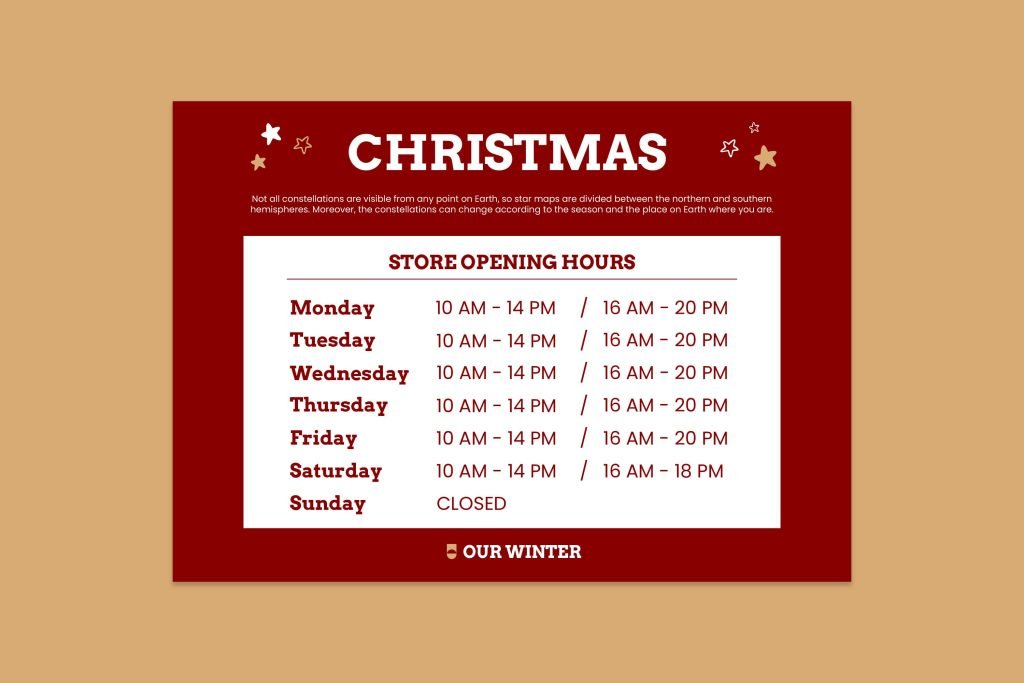
3. Store Hours and Holiday Timings
Customers want to know when you’re open. Incorrect timings lead to frustration and lost business.
- Include regular opening and closing hours.
- Add special hours for holidays or events.
Keep this information updated in real time.
4. Photos and Visuals
People trust visuals more than text.
- Add images of your store, menu, products, or even parking areas.
- High-quality visuals set expectations and build trust.
For restaurants and hotels, photos directly influence booking decisions.
5. Categories and Services Offered
Not every location offers the same services. A good store locator should mention:
- Services available at each branch (e.g., dine-in, takeaway, parking, free WiFi).
- Categories like “family dining,” “budget stay,” or “pet-friendly hotel.”
This saves customers time and improves satisfaction.
6. Customer Reviews and Ratings
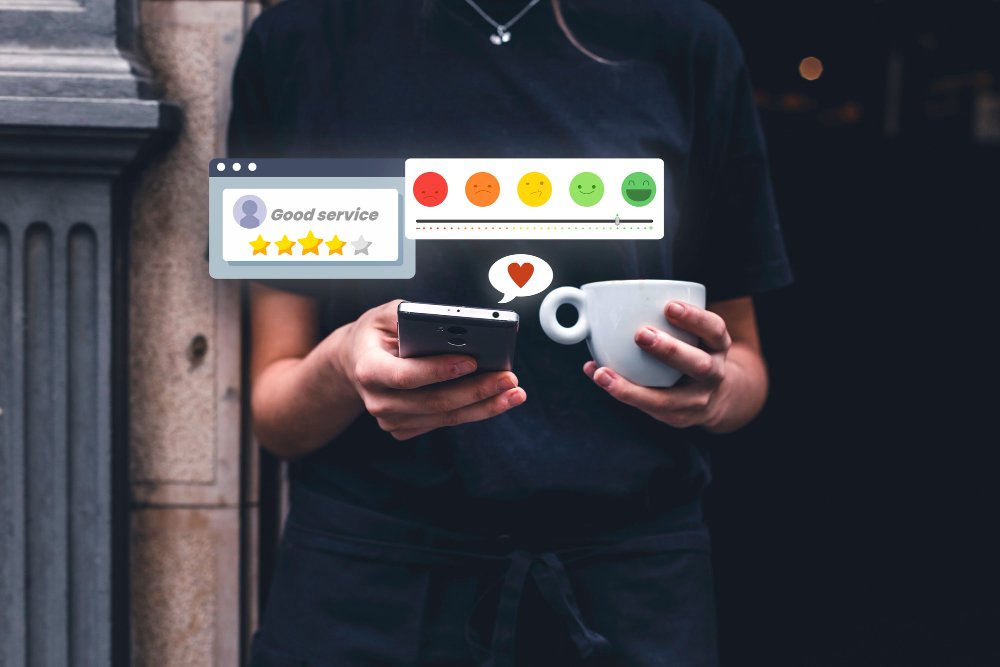
Reviews are today’s word-of-mouth marketing. Embedding them directly in your store locator helps customers make quicker decisions.
- Display average ratings.
- Highlight a few recent customer reviews.
Famepilot’s review management tool can automate this.
7. Mobile-Friendly Design
Most searches happen on mobile devices. A store locator that isn’t mobile-friendly will lose potential customers.
- Ensure fast loading speeds.
- Keep the interface clean and easy to use.
- Add map-based navigation for a smoother experience.
8. Integrated Analytics
Your store locator should not just serve customers but also help you learn from them.
- Track clicks, directions, and calls.
- Identify which locations get the most searches.
- Use insights to improve your marketing strategy.
Pro Tip: Google considers accuracy, relevance, and prominence as local ranking factors. A strong store locator supports all three.
9. Local Offers and Promotions
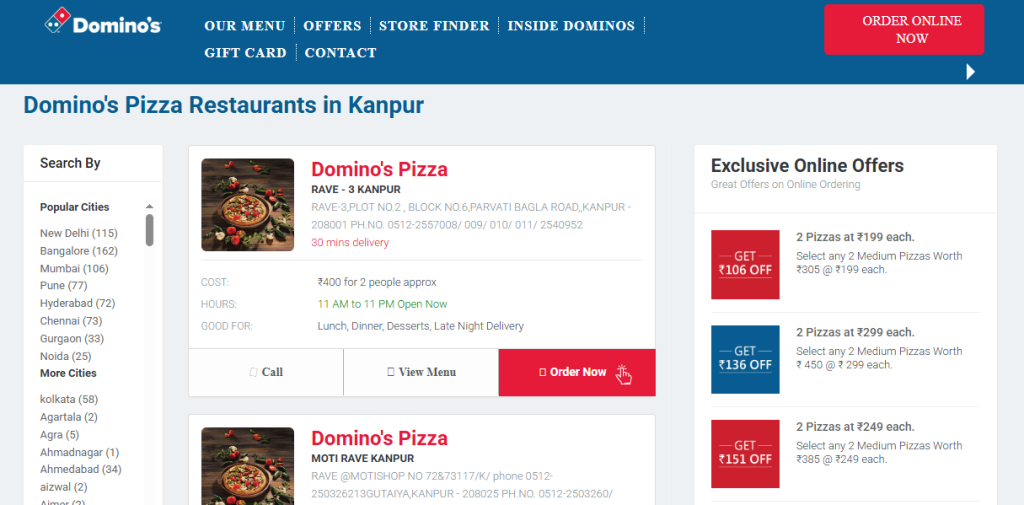
It drives sales by highlighting location-specific offers.
- Showcase discounts, seasonal deals, or loyalty programs.
Customers searching locally are already in buying mode. A timely offer can seal the deal.
Also Read: Why Businesses Need a Store Locator on Their Website?
Famepilot Store Locator: Helping Businesses Drive More Walk-ins
Famepilot’s store locator service is designed for multi-location businesses like restaurants, salons, retail chains, and hotels. It helps your customers easily find the nearest outlet with accurate details such as address, contact number, directions, opening hours, and photos: all displayed in a clean, user-friendly interface.
What makes Famepilot’s store locator stand out is its SEO-optimized structure. Each location page is indexable on Google, helping your business appear in local search and Google Maps results. It also integrates with your Google Business Profile, ensuring real-time updates and consistent information across the web.
With additional features like geo-targeting, analytics tracking, and custom branding, Famepilot not only improves discoverability but also enhances the overall customer experience. Whether you run 5 or 500 outlets, Famepilot’s store locator makes it easy for customers to reach you, both online and offline.
Conclusion
A good store locator builds trust, improves customer experience, and boosts local visibility. Without it, potential customers may turn to competitors.
With SaaS platforms like Famepilot, you can manage listings, keep information accurate, and optimize visibility across Google Maps, directories, and social platforms, all from a single dashboard.
Our email id – [email protected]
Book a Demo with Us – https://famepilot.com/product-demo/
Our Contact Us (form) – https://famepilot.com/contact-famepilot/